Vadstena Klosterhotell
Östergötland · Sverige · Hotel
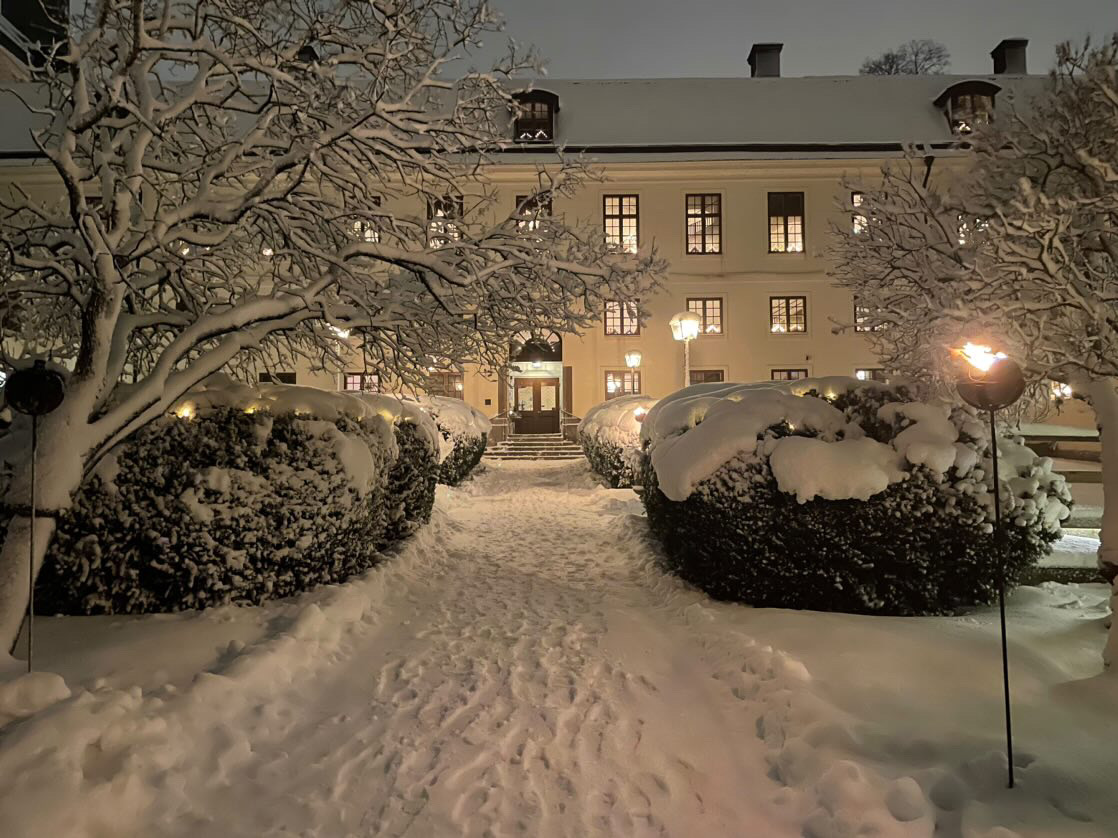
Vadstena Klosterhotell är inrymt i byggnader som tillhör Vadstena kloster, grundat på 1300-talet enligt ordensregler utformade av Heliga Birgitta. Klosterområdet
Vadstena Abbey Hotel — six centuries of continuous use
Vadstena Klosterhotell occupies buildings belonging to Vadstena Abbey, founded in the 1300s under the monastic rule devised by Saint Bridget of Sweden. The abbey grounds have been in near-continuous use for more than 600 years, which makes the site unusually well suited to examining recurring accounts of unexplained phenomena in relation to a historic environment.
The abbey and its changing purpose
Vadstena Abbey was built as a double monastery, with clearly separated quarters for nuns and monks. The architecture is characterised by long corridors, enclosed rooms and few open spaces — designed for discipline, silence and control. Even in the medieval period, both medical care and the reception of pilgrims took place here.
After the Reformation the activity changed, but the function of the buildings as a place of care and confinement persisted. The abbey buildings have served among other things as a veterans' home, a hospital, a venereal disease clinic and later a psychiatric hospital. Many people lived their final years — or their final days — here.
That continuity is central when analysing why certain places generate recurring accounts of strange experiences.
Recurring observations at the hotel
Since the abbey buildings came into use as a hotel, staff and guests have reported events they find hard to explain. The accounts are consistently understated and lack dramatic detail, but they recur over time and from different people.
Common observations include lamps switching on and off with no apparent cause; doors that seem to resist although they are unlocked; the sound of footsteps in corridors at night; and sudden temperature changes in the older parts of the building.
What is notable is not any single event but the pattern: similar experiences in the same spaces, reported over many years.
The female figure in the hospice building
One of the best-known accounts concerns a female figure said to appear in the building that served as a hospice during the medieval period. Several guests have described waking to the sense that someone is sitting on the edge of the bed.
The descriptions are relatively consistent. The figure is perceived as elderly, kindly and sometimes sorrowful. The presence is not described as threatening but rather as companionable. In some accounts she appears to try to speak; in others she sits quietly for a while before disappearing.
No historical source identifies who the figure might represent. Popular interpretations sometimes connect her to Saint Bridget, but this has no documentary support.
Slottsvillan
In Slottsvillan, which belongs to the hotel grounds but stands somewhat apart from the main building, a smaller number of visual observations have been reported. These mostly concern shadows or shapes that appear in photographs after the fact.
Such observations are difficult to verify and can often be explained by lighting conditions or camera technique. It is nonetheless interesting that similar reports recur from the same building rather than being spread across the whole site.
Why this environment
Places used over long periods for discipline, care and isolation appear frequently in documentation of recurring unexplained experiences. Vadstena Abbey meets several of these criteria: a long period of use, a connection to illness and death, and an architecture that reinforces silence and spatial separation.
This does not establish a supernatural explanation, but it does give clear context for why these particular buildings continue to attract attention.
FAQ
Hvor ligger Vadstena Klosterhotell?
Vadstena Klosterhotell ligger i Östergötland, Sverige.
Image: Svenska Spökkartan