Photo essay
Inside Sandträsk Sanatorium — 409 beds, and most patients never went home
16. august 2026 · 8 min læsning
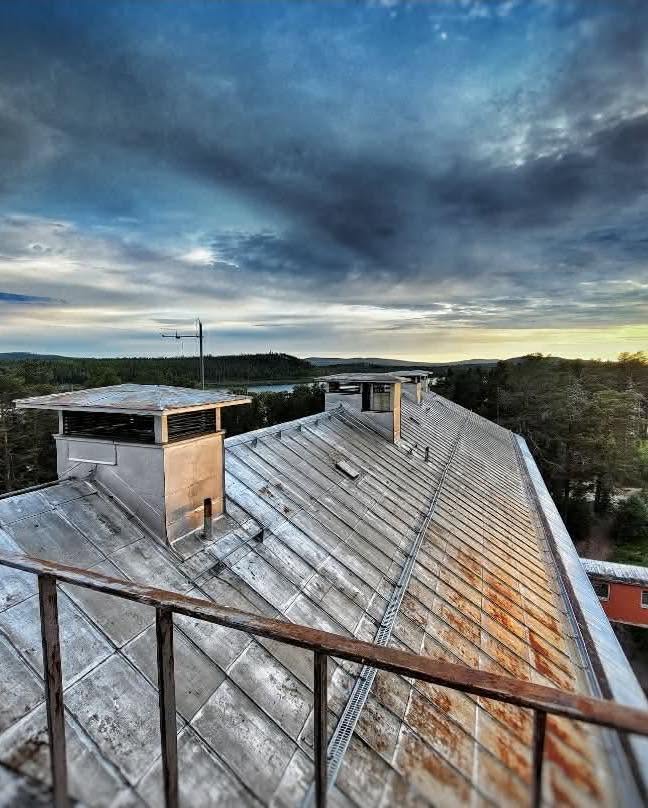
Forty kilometres north of Boden stands one of Sweden's largest sanatoriums, empty. We went inside. This is the story of a building raised on hope — and the photographs from the corridors where the hope ran out.
It starts with a road winding through the forest. The pines stand close. The air is clear, almost unreally clean. Exactly the way it was once meant to be.
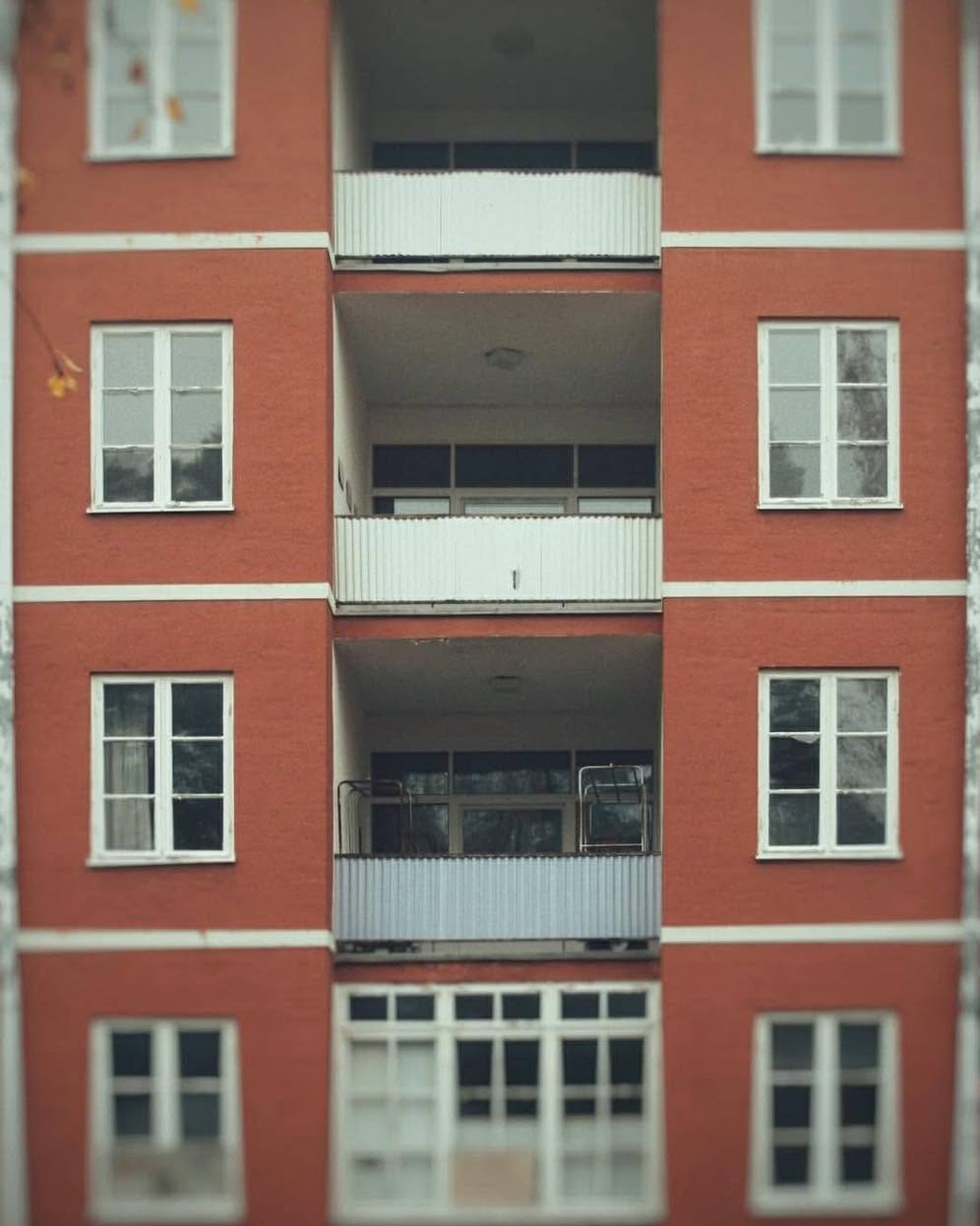
Here, in the Edefors district outside Boden, one of northern Sweden's largest sanatoriums went up in 1913. A place built on hope — and on the idea that nature itself could heal what was otherwise fatal.
Sandträsk Sanatorium.
This is where they sent the ones who had tuberculosis. The ones coughing blood. The ones who no longer had a place in healthy society. Here they would rest, breathe, wait. And perhaps survive.
The air was the medicine
The sanatorium opened on 14 September 1913 with room for 88 patients. Its location was no accident. Tuberculosis care had no cure to offer at the time — only rest, nourishment and air. Dry, cold, clean forest air. So the sanatoriums were built far out in the woods, preferably on high ground, preferably by water.
The architecture followed the same logic. Bright wards. Large windows. Reclining verandas where patients lay outdoors wrapped in blankets even in the depths of a Norrbotten winter, because the cold was believed to keep the lungs clean.
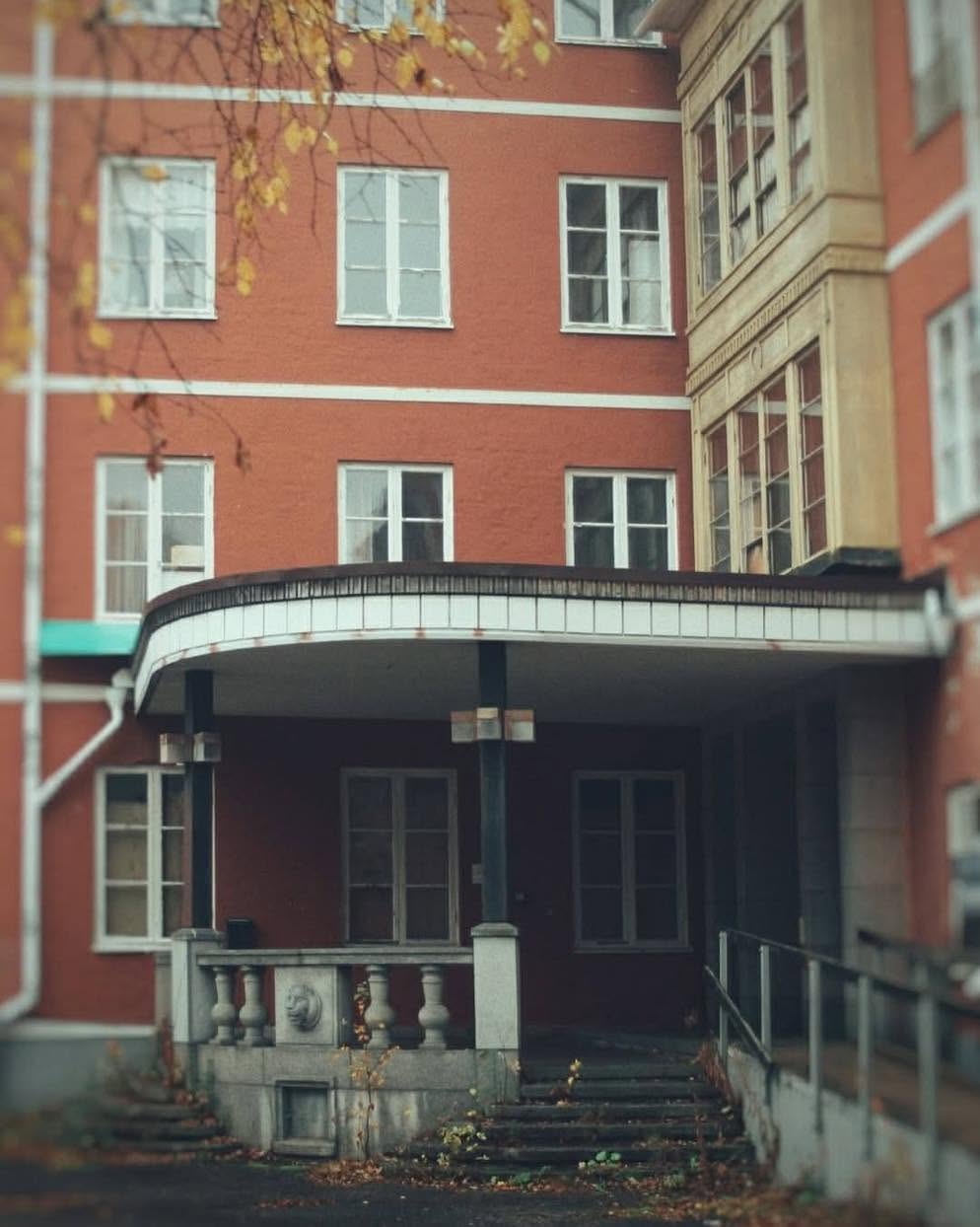
Patients were treated mainly in the then newly built large pavilion, known as Torpet. The manor building was raised to drawings by Carl Österman. The complex grew into several buildings, each marked by the architectural ideals of its time.
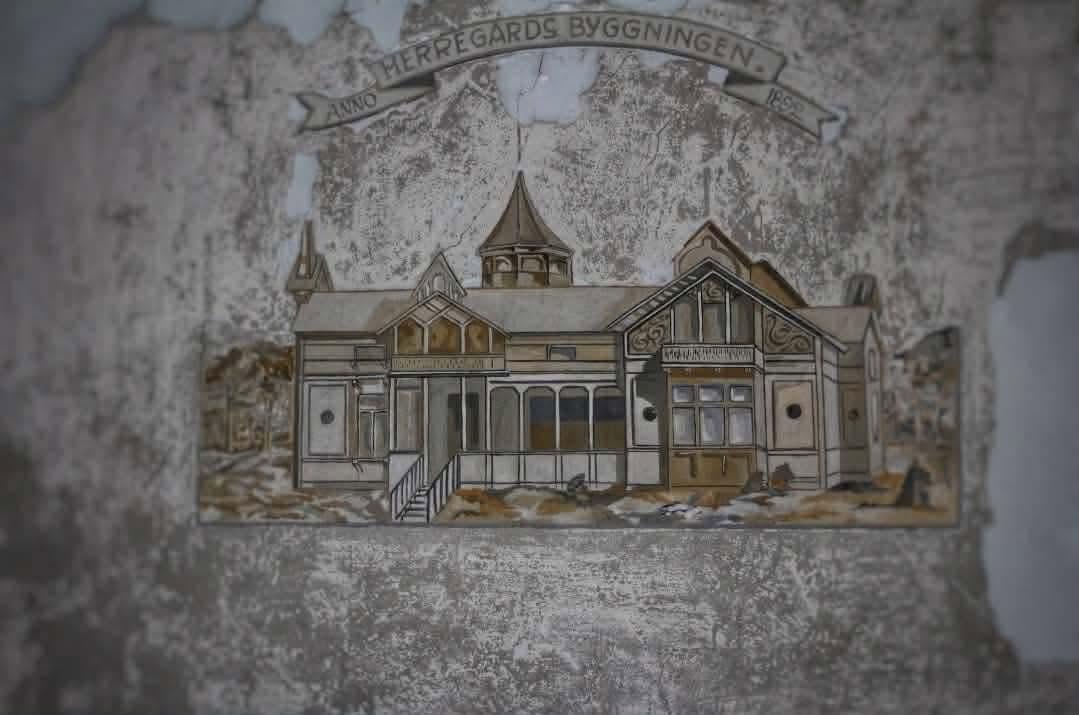
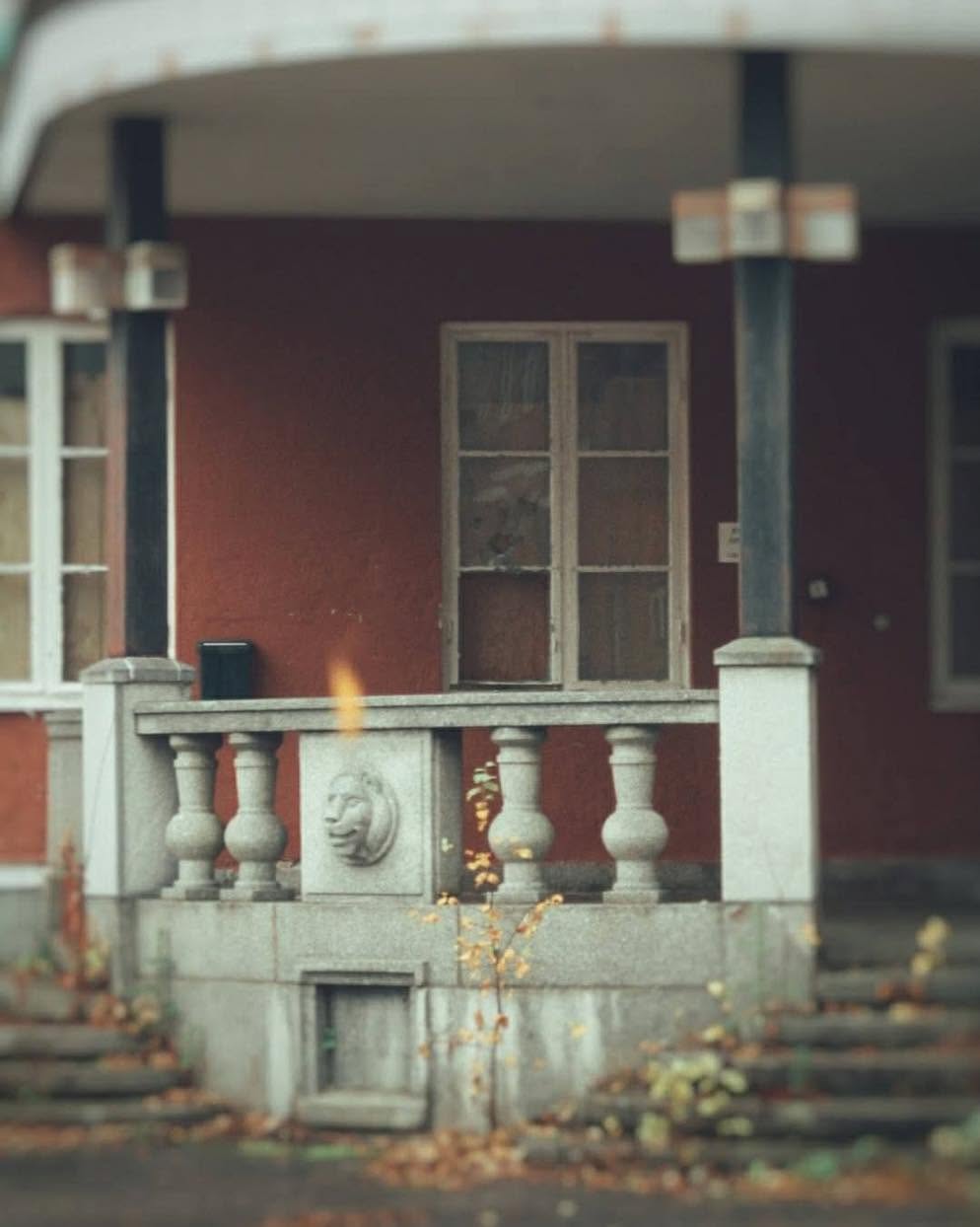
Inside the building a relief is carved into the wall, reading ANNO HERREGÅRDS BYGGNINGEN and the year 1899. It shows an entirely different building from the one you are standing in: a wooden house with a veranda, glazing bars and a small tower. The estate was here before the sanatorium, and it was on its land that the new care was built.
409 beds
88 beds did not last long.
During the Second World War the state built so-called E-pavilions at the country's sanatoriums, intended for tubercular refugees of the war. Sandträsk received 44 such beds. The pressure continued anyway, and in 1954 an annex, Hälsan in Antnäs, opened with a further 20 beds.
At its peak the operation counted 409 beds.
Between 1931 and 1964 Sandträsk was Norrbotten's central sanatorium — the county's hub for the disease that shaped the early twentieth century more than any other.
A world apart
Behind the open surfaces lay another reality.
A small society of its own where time moved differently. You came for weeks and stayed for years. Families were separated. Children grew up with a parent they were only allowed to wave to through a window, because the risk of infection kept visitors at a distance.
Days became weeks, weeks became months… and for many, an ending.
Thousands of people passed through these wards. Not all of them left.
But it would be wrong to reduce Sandträsk to darkness alone. On one of the walls hangs a memorial board covered in the patients’ own photographs: people playing games, walking arm in arm in the snow, laughing at the camera. Above them, handwritten — Friendship, and maybe some love couple at the sanatorium… who knows?! And further down: Positive and pleasant memories from a difficult time.
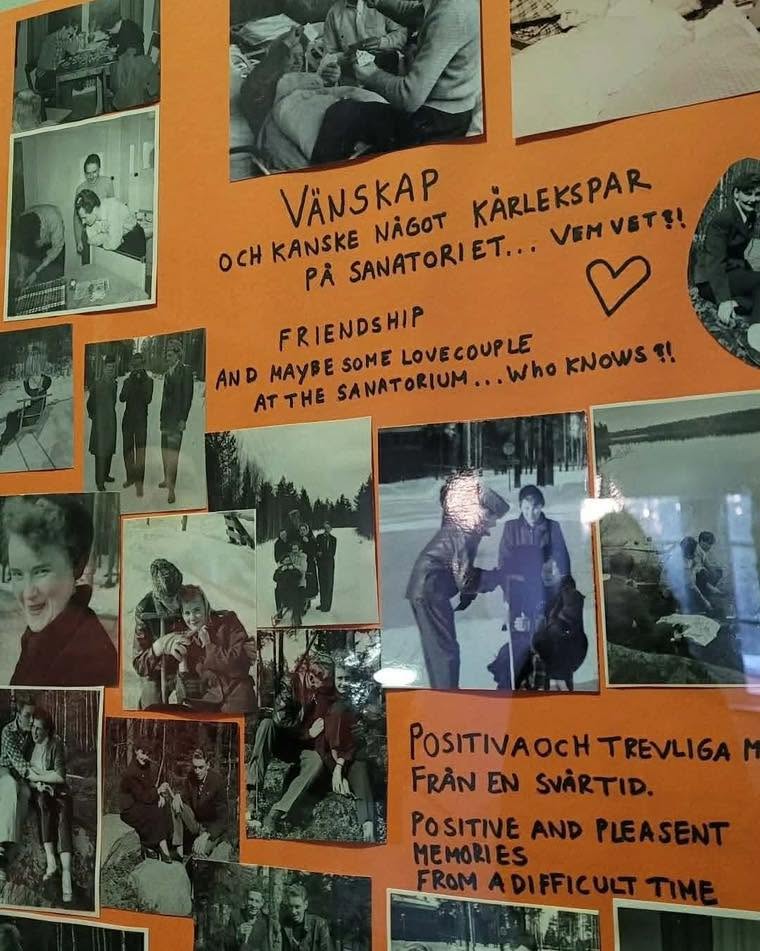
That counterweight is what makes the place harder to leave than an ordinary ruin. People lived here. They did not only die here.
When medicine caught up
The sanatorium closed in 1964. Medicine had moved on — penicillin and the new tuberculosis drugs took over where nature had once carried the responsibility, and the operation moved to the hospital in Boden.
But the building remained, and it was put back to work.
Until the autumn of 1982 the house served as a care home for people with intellectual disabilities. In 1984 a rehabilitation centre with 33 beds opened, running until the spring of 2003 before it too moved to Boden.
After that the complex was sold into private hands. Plans for a hotel and conference venue came and went, owners likewise, and none of them managed to fill the house again.
What is left
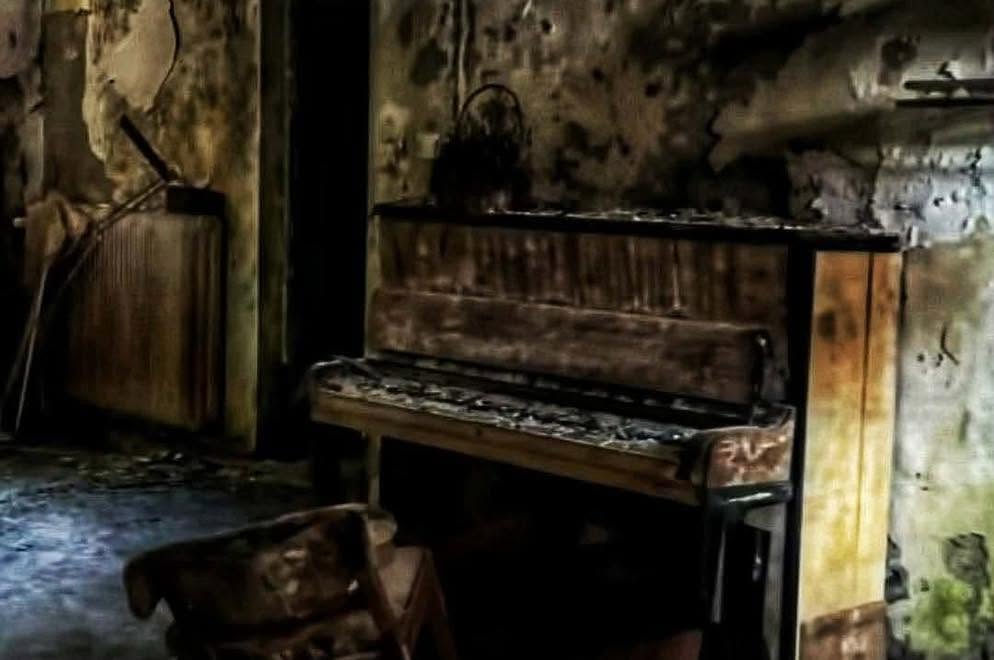
What strikes you inside Sandträsk is not the decay. It is the scale.
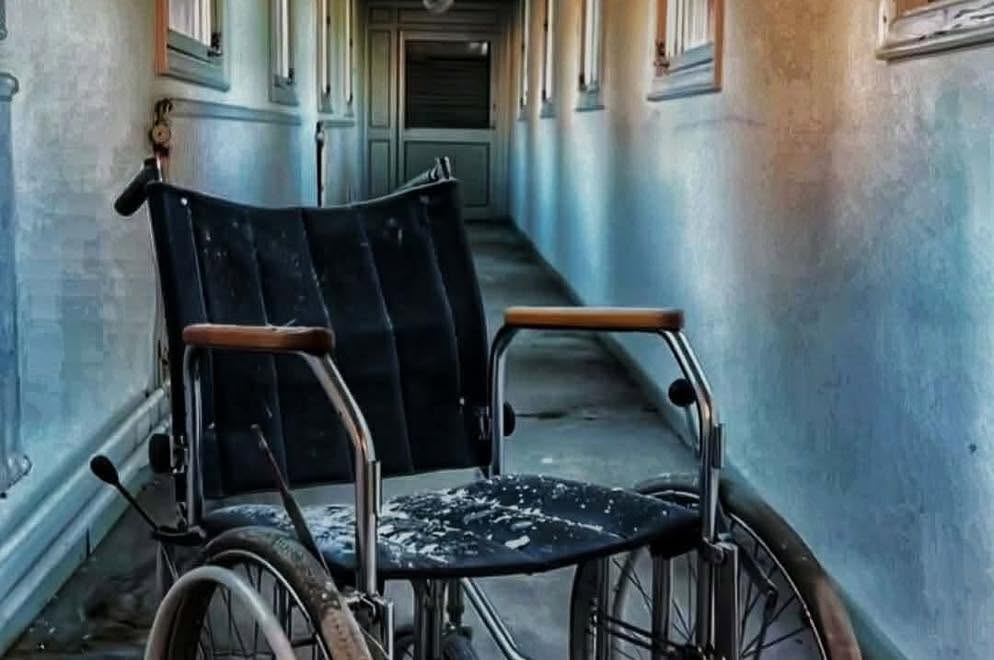
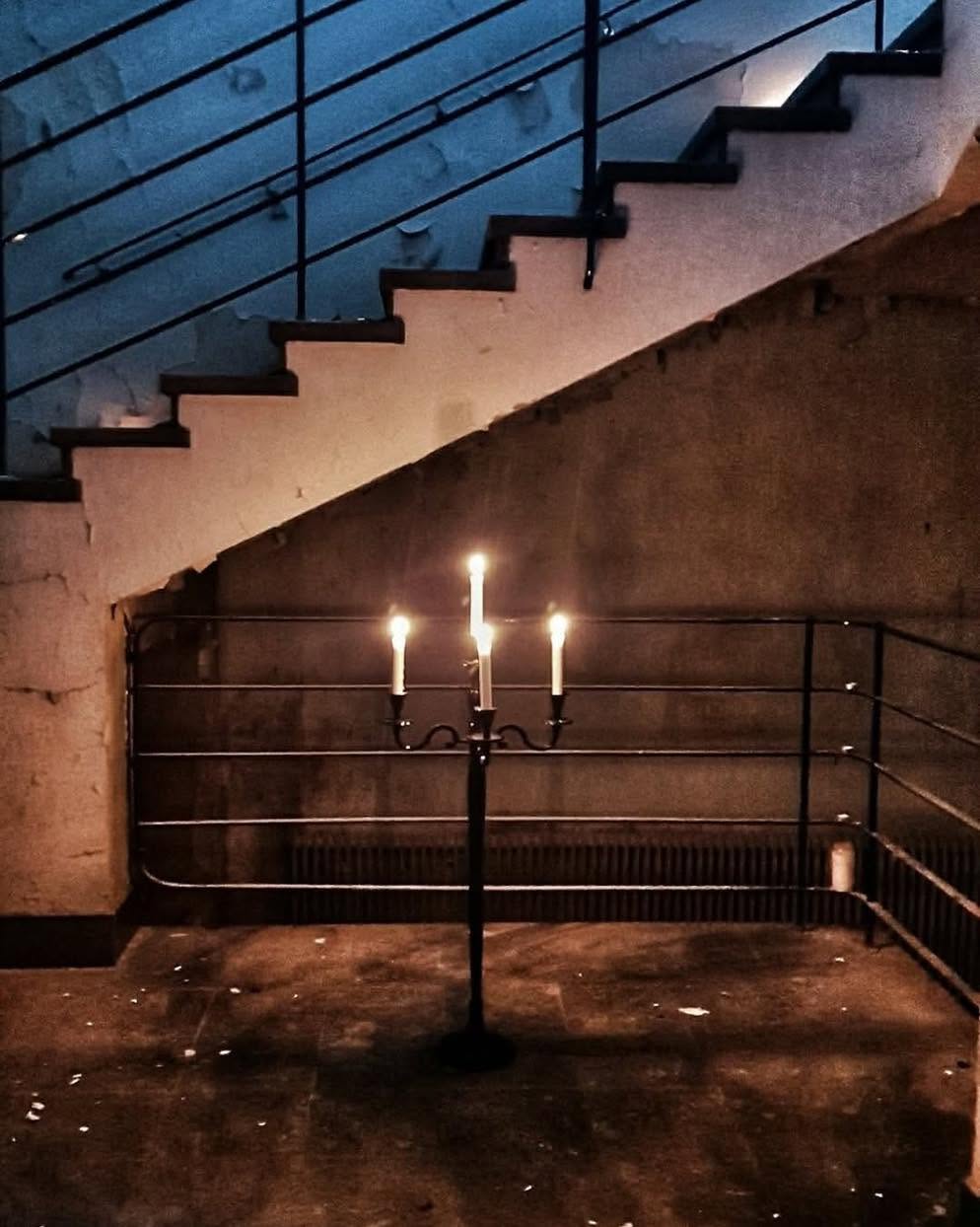
Corridors running further than the torch beam reaches. Ward after ward. Stairwells leading to floors where the wallpaper hangs in sheets and where somebody once made a bed for the last time. In places the furnishings stand as though the staff had just gone home.
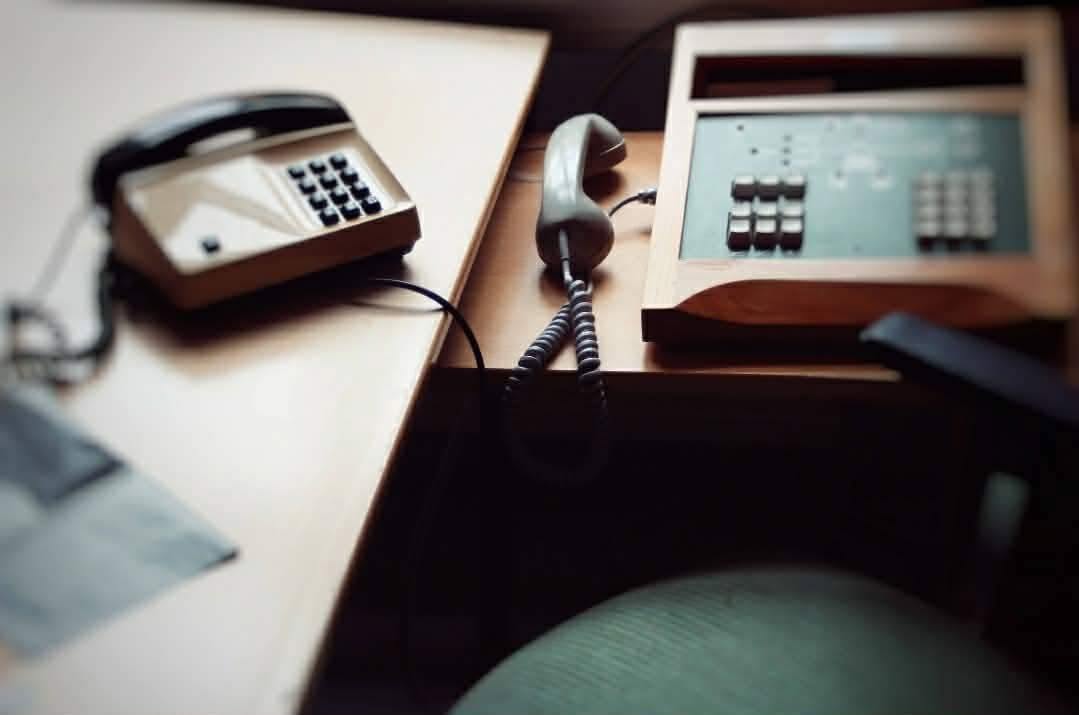
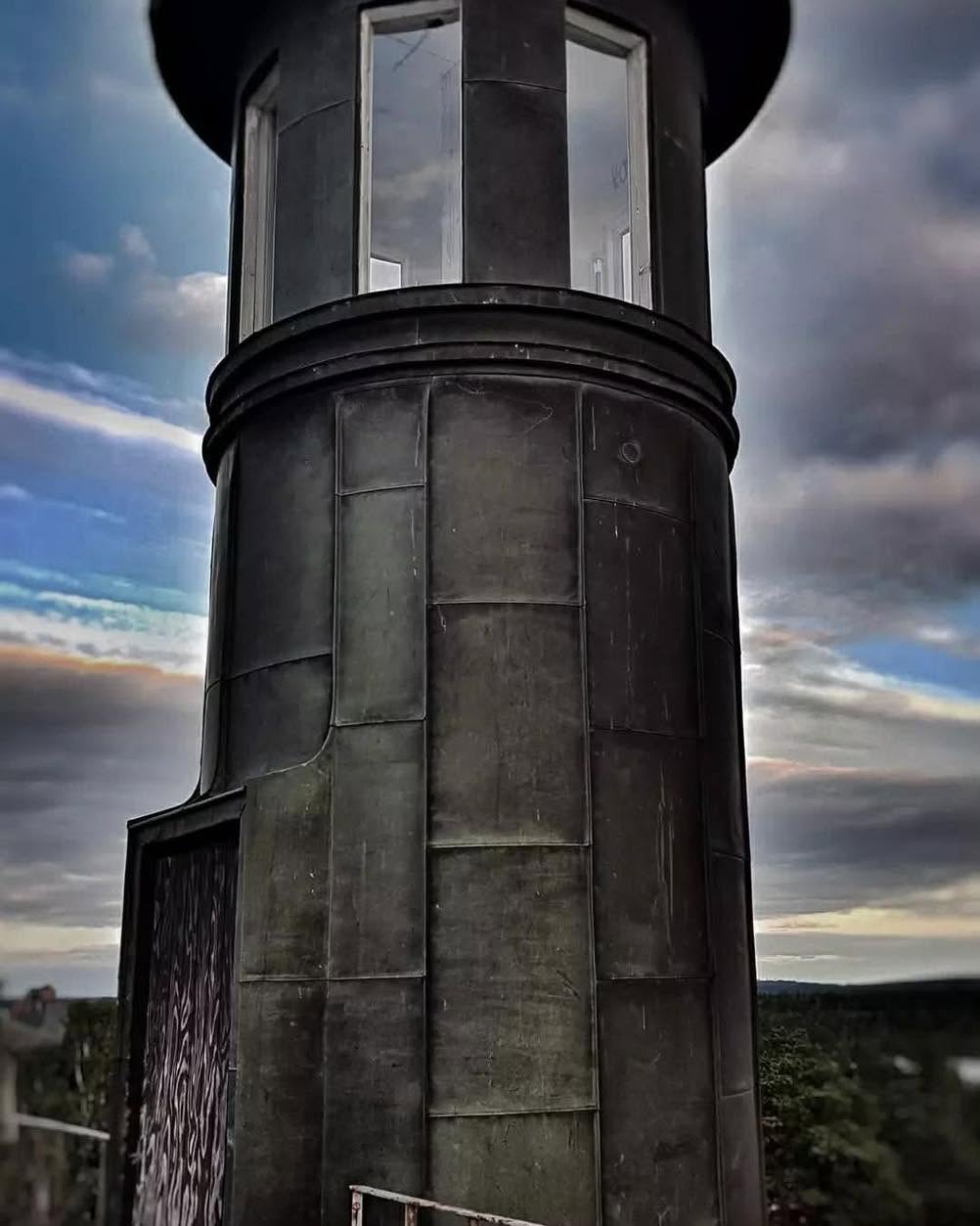
And then the silence. Buildings like this were meant for people who knew they might not leave. That knowledge is what visitors describe feeling first — long before anything actually happens.
The accounts
In Haunted Places' interview with ghost hunter Matti, it is Sandträsk he singles out as the most memorable place he has visited. He describes how the group spent the night in old hospital beds inside the sanatorium, and how the night was filled with sounds, shadows and a heavy, pressing atmosphere.
Similar accounts recur among others who have been there: footsteps in corridors where nobody walks, doors that move, the sense of not being alone in a room.
It is the classic sanatorium repertoire. The difference is the scale — few places in Sweden deliver it at this size.
Before you go
Sandträsk is an abandoned building in private ownership, not a visitor attraction. Floors and stairs are in unknown condition, and entering someone else's land or building without permission is not allowed. Always contact the landowner, and read our guide to abandoned places before you plan anything.
Udforsk videre: Norrbotten · Sverige · Hjemsøgte sanatorier
Flere fortællinger
- Barnehosten i korridoren: mødet med Solør Ghost Hunting Crew
- Spøgelsesbyerne verden lod ligge
- Stederne i Sverige hvor tiden stod stille
- De troede ikke på spøgelser. Så tog de nattevagten
- Familien flyttede ind på drømmegården. Det begyndte med en lugt
- Stedet i skoven som lokalbefolkningen advarer dig imod
- Huse du ikke vidste spøgte, ét ligger sandsynligvis i din by
- Rangeret: De 10 uhyggeligste steder du faktisk kan besøge